Special studies: dynamic studies

études dynamiques

The purpose of a dynamic study is to analyse the vibration response of a structure, when subjected to certain types of stresses, such as the passage of vehicles, shocks, explosions, earthquakes, waves or wind. While dynamic studies hardly ever need to be carried out for standard structures, they often play a key role when designing complex structures, such as high-rise towers, footbridges or long-span bridges, which, due to their stiffness-to-mass ratio, require a detailed study to be carried out of their vibration response for reasons of stability and/or user comfort. Furthermore, ever more strict technical and aesthetic requirements are resulting in the construction of increasingly optimised, lightweight, slender structures. Their vibration response is amplified, requiring ever more challenging dynamic studies.

Modern structural engineering is also shifting towards a more resilient approach, taking into account accidental events such as explosions or impacts. This trend is an integral part of a robust design approach. Structures not only have to withstand service loads but also absorb exceptional stresses without compromising the occupants’ safety.

Advanced dynamic analysis methods make it possible to evaluate how buildings behave under these extreme conditions. At bureau greisch, we use this expertise for the benefit of our clients and projects, integrating these scenarios into our stability studies to ensure we design safe and sustainable infra-structures.

Fundamentals of dynamic studies in structural engineering

All structures are subjected to vibrations because they have stiffness and mass. When a structure is set in motion, its behaviour is governed by the balance between the inertial forces associated with the structure’s mass, the damping forces linked to its speed and the elastic restoring forces related to its stiffness.

Example of harmonic oscillator

The simplest example we can imagine is that of a harmonic oscillator: a spring, which has one of its ends clamped and a mass attached to the other end.
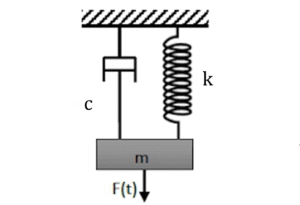
When an oscillator is disturbed, for example by applying traction and releasing it abruptly, the mass starts to oscillate. Its movement is dictated by its inertia, its damping force and the spring’s restoring force. Without the damping force, the mass would oscillate permanently. In the real world, some form of damping force is always present, air friction for example, and the mass will always stop eventually.

However, this is not the case if we continue to excite the system. In reality, this situation can actually arise and, under certain conditions, lead to the appearance of instabilities, the best known of which is “resonance”. Such phenomena can have a devastating impact on the structure’s integrity, even to the extent of causing its collapse.



Structure’s vibration properties

From a phenomenological perspective, the behaviour of a structure, even a complex one, can be likened to that of a harmonic oscillator. A structure can be conceived and modelled, as a (potentially very large) set of harmonic oscillators, connected to each other. The interaction between these oscillators, the characterisation of the loading (earthquake, wind, etc.) and the forces it induces on the different parts of the structure create all the complexity of a dynamic study at the scale of a real structure.

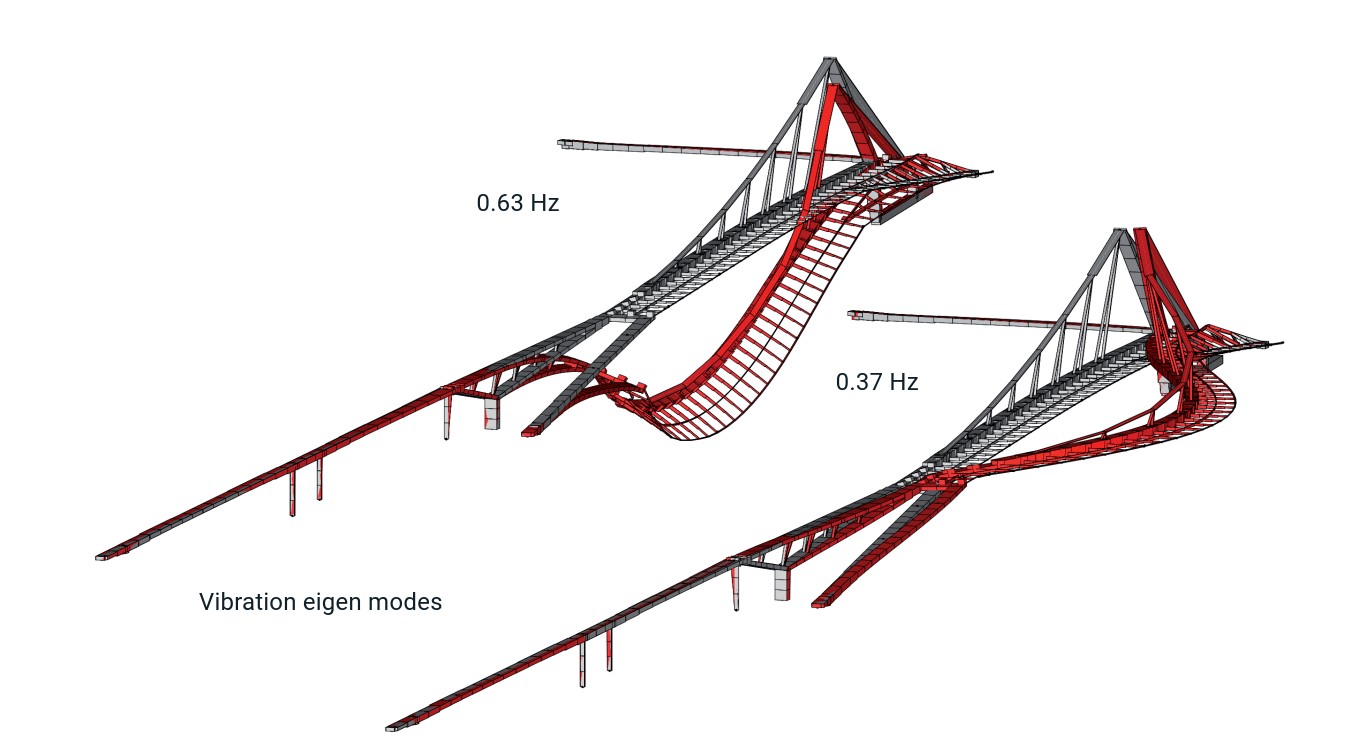
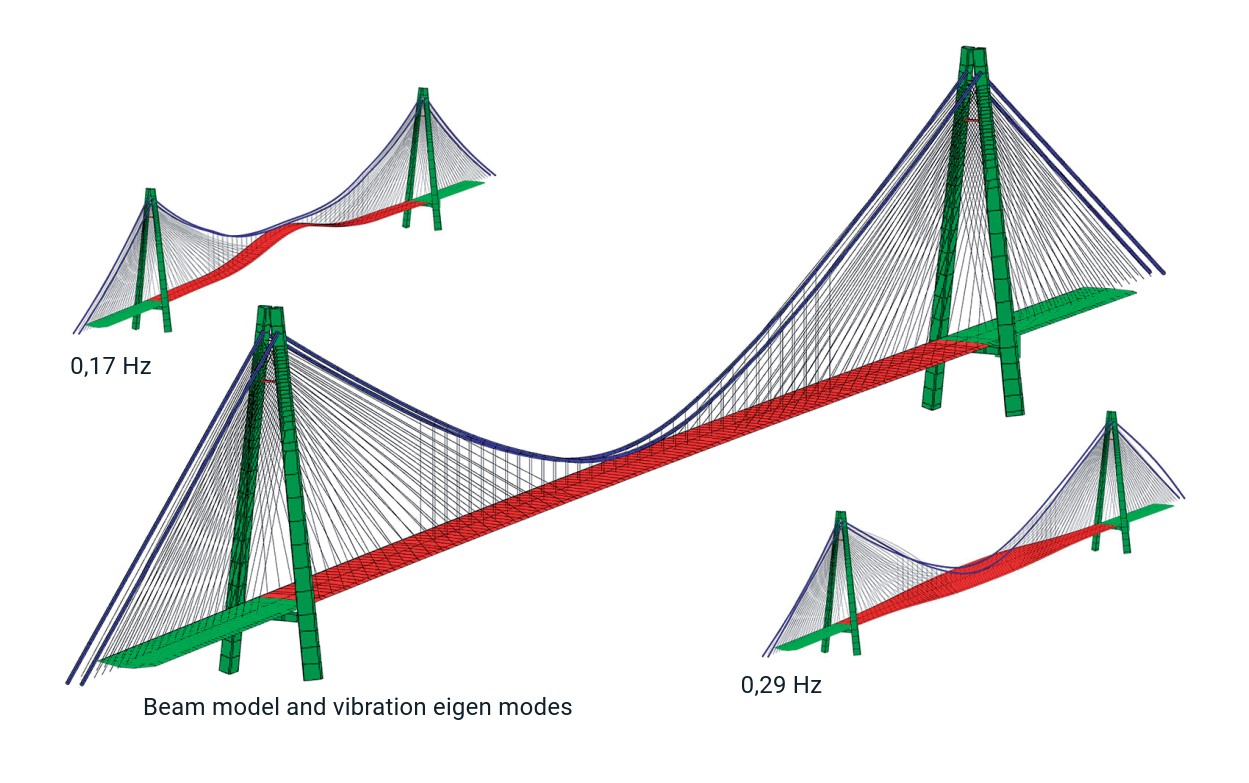
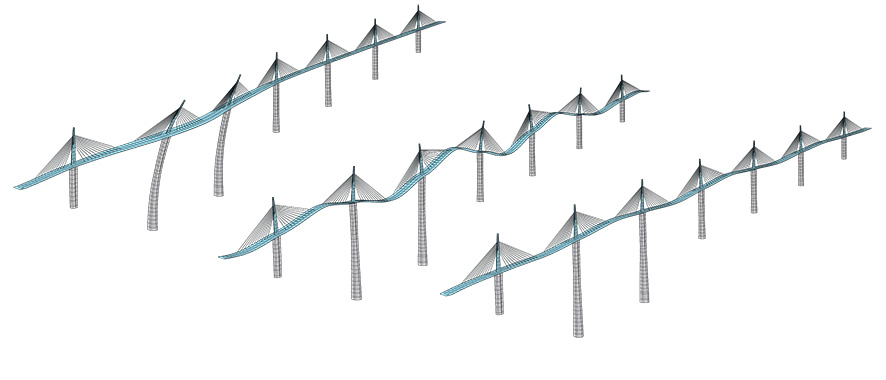
In practical terms, the structure’s vibration properties are reduced to its “eigen frequencies” (also known as natural frequencies). Each structure has its own characteristic way of vibrating at its eigen frequencies, with associated mode shapes. The eigen frequencies are, in a sense, the structure’s preferential vibration frequencies. These frequencies are an intrinsic property of the structure, depending solely on its geometry, the materials used to construct it and its support conditions.

Applying loads to a structure

A structure is subjected to different types of loads throughout its service life. These loads are typically exerted by the environment surrounding it.

Some loads remain constant over time, being described as “static”, such as self-weight, or vary very slowly, making them “quasi-static”, such as temperature variations or snow. These loads are unable to generate a dynamic response, as a they make the structure deform very slowly, with almost zero acceleration and practically non-existent inertial forces. The structural response is governed solely by its stiffness: this means that the inertial forces – a fundamental element – are missing, which would enable a vibration response to develop.

Other loads vary over time more quickly and typically have a particular frequency range. This is the case for wind loads, for instance. If the structure’s eigen frequencies fall within the load’s typical frequency range, the structure is able to vibrate. Going back to the example of the harmonic oscillator, this corresponds to the situation where the mass is continuously disturbed in order to maintain, or even amplify, its oscillations.


Designing a structure, response to oscillations

The challenge faced when designing a structure is obviously to prevent its vibration response from exceeding certain limits, generally established by standards, so as to maintain structural integrity and/or ensure the occupants’ comfort.

In order to achieve this objective, several solutions are available, which involve playing around with the span lengths and/or elements’ inertial forces, their areas and thicknesses or the damping force.

In practice, a damping system often needs to be introduced when the various design constraints prevent the stiffness and mass properties of the structure from being modified further. The damping force reduces the structure’s oscillations to keep the vibration response level below the prescribed limits. In practice, the required damping force is most often introduced via tuned mass dampers (TMDs), a kind of harmonic oscillator, attached to the structure, whose properties are calibrated and optimised to guarantee the desired overall damping level.


When should a dynamic study be carried out?

A dynamic study is generally envisaged when the structure has certain characteristics: slender, very lightweight and/or very flexible and subjected to loads varying over time that can generate a dynamic response. Loads which can typically generate a vibration response are: wind, earthquake, rail traffic (and, to a lesser extent, road traffic), pedestrians, waves, impacts, shocks and explosions and in general, accidental loads.

As a result, dynamic studies are usually carried out on the following structures: long-span bridges, railway bridges, high-rise towers, large roofs, (cycle-)footbridges, structures designed for a very specific use. Dynamic analyses often have to be carried out also on intermediate phases of a structure’s construction process as these situations, albeit temporary, may generate responses that are just as, or even more critical than, those generated by the structure in its final state.

Calculation methods and simulation tools using FinelG

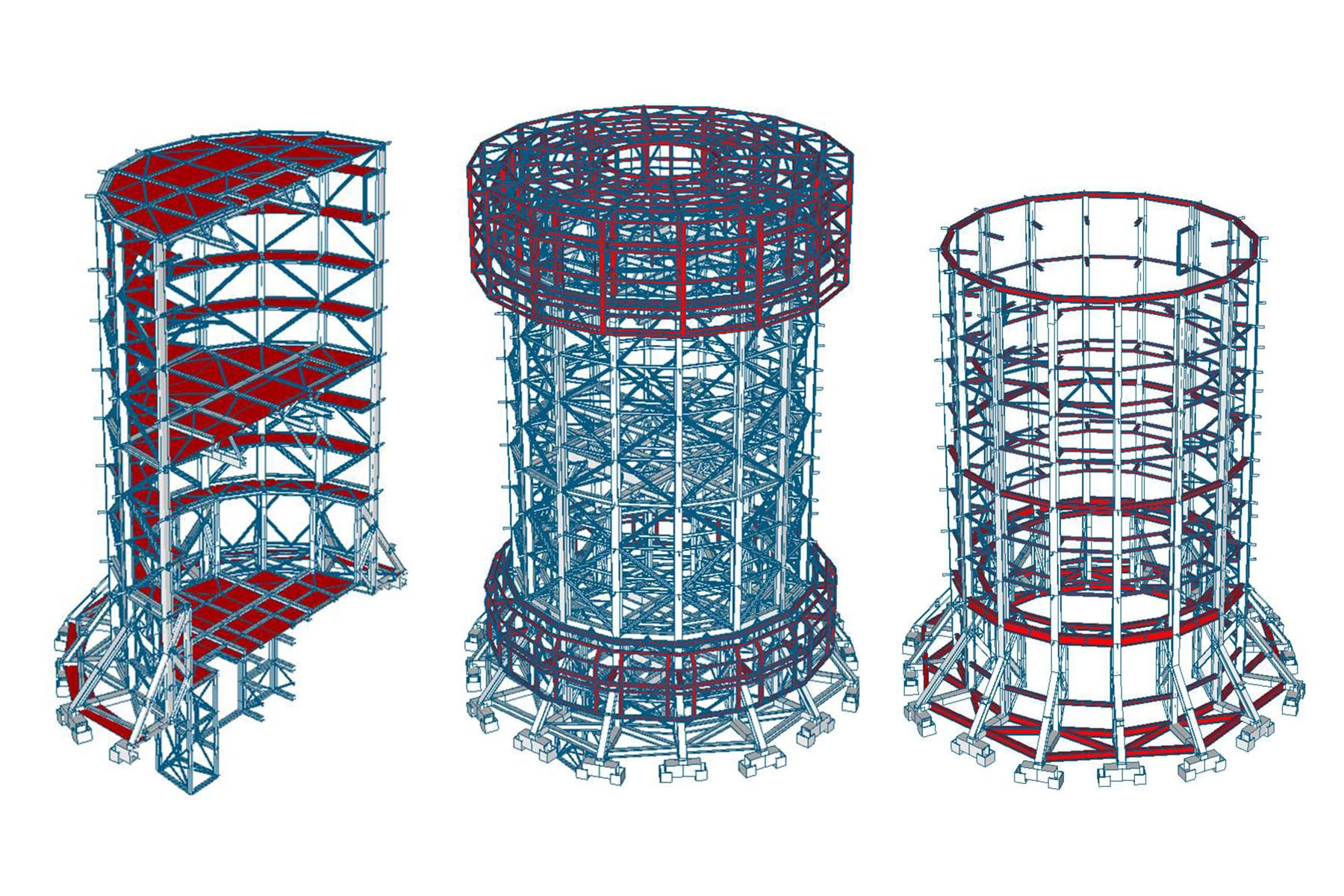
FinelG is a 3D finite element software, offering every type of element commonly used in structural mechanics: truss bars, 2D or 3D beams, plates and shells, solid and spring elements, connection and loading elements. Bureau greisch has been developing this software for more than 50 years, in partnership with three universities: University of Liège and Hasselt University in Belgium, and INSA Rennes in France.

This software provides numerous tools that allow dynamic calculations to be carried out at different levels to suit different requirements and contexts.

Finite element calculations and behaviour modelling

FinelG offers three methods for calculating a structure’s eigen frequencies and mode shapes, based on its stiffness and mass matrix: power, secant and subspace methods. The software can also be used to perform dynamic calculations under any variable loads in the frequency domain using a modal basis and in the time domain using a modal and nodal basis. In the time domain, FinelG offers implicit (Newmark, generalised-) and explicit (Centred Differences, Hulbert-Chung, Tchamwa-Wielgosz) integrators.

Specific FinelG functions for dynamic analyses

Dynamic time-domain calculations using a nodal base with implicit integrators can also be performed in the non-linear domain, including geometric non-linearities (large displacements), material non-linearities (plasticity) and non-linear dampers with different types of laws.

There are also specific analyses devoted to specific types of loading:

  • Spectral calculation for turbulent wind loading:
    • Gaussian
    • Non-Gaussian (bispectral analysis)
  • Aeroelastic response to turbulent wind
  • Aeroelastic limit speed calculation
  • Spectral calculation for earthquakes:
    • Without spatial variability
    • With spatial variability (SVEGM)
  • Spectral calculation for harmonic loads, and pedestrians in particular
  • Floor response spectral calculation
  • Accounting for moving masses (shelving units) during earthquakes

It is also possible to generate ground-motion accelerograms based on target response spectra and then perform a time-domain calculation. Some of the dynamic analyses can also be combined with  time-evolving structural topology and material properties to analyse temporary phases, typically during a structure’s construction.


Wind tunnel tests and on-site measurements

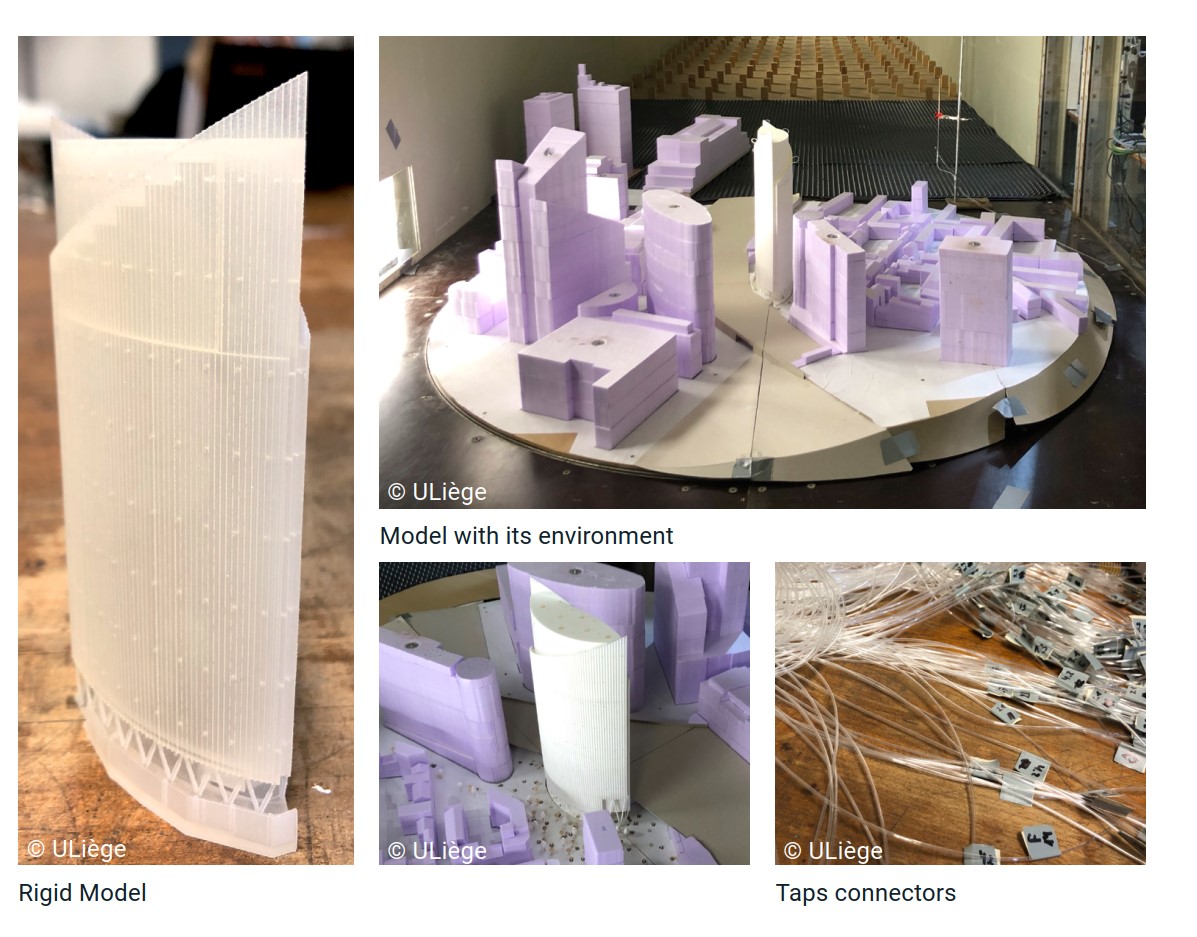
When studying structures that are particularly sensitive to wind, it is normal practice to conduct wind tunnel tests to better quantify the effects of the wind. These tests can have several aims:

  • To determine the force coefficients
  • To verify the aeroelastic stability of a bridge section or tower
  • To provide a time-domain measurement of pressures, verify dynamic behaviour and determine equivalent static pressures/forces
  • To verify the comfort of people around the buildings

On-site measurements or analysis of weather stations make it possible to determine wind characteristics such as reference speed, turbulence intensity, wind profile, etc. instead of using the standard values recommended by the standards.

Based on the wind tunnel test results, FinelG makes it possible to:

  • Perform static calculations based on the measured force coefficients or the equivalent static load cases obtained
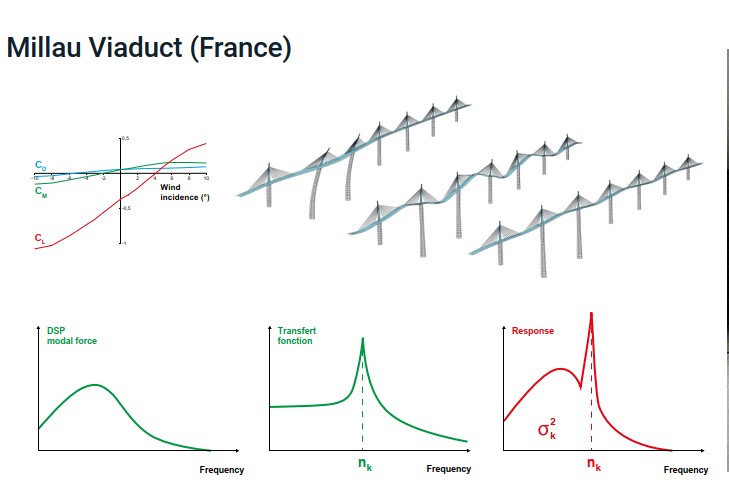
  • Calculate dynamic responses to turbulent wind loads using force coefficients and their derivatives
  • Verify the aeroelastic stabilities and determine the critical wind speeds based on the Scanlan coefficients
  • Carry out dynamic time-domain calculations based on the pressures measured and determine cases of equivalent static loads (ESWL or PSWL)

Types of dynamic studies conducted by Bureau greisch

The various options available in terms of dynamic calculations have been systematically implemented in the projects carried out at Bureau greisch. These analyses have been rigorously modelled using FinelG software, thereby guaranteeing an approach that is both accurate and tailored to the specific technical features of each project.

Seismic study

Response spectrum analysis, time-domain analysis under accelerogram, seismic analysis of large structures, floor response spectrum calculation

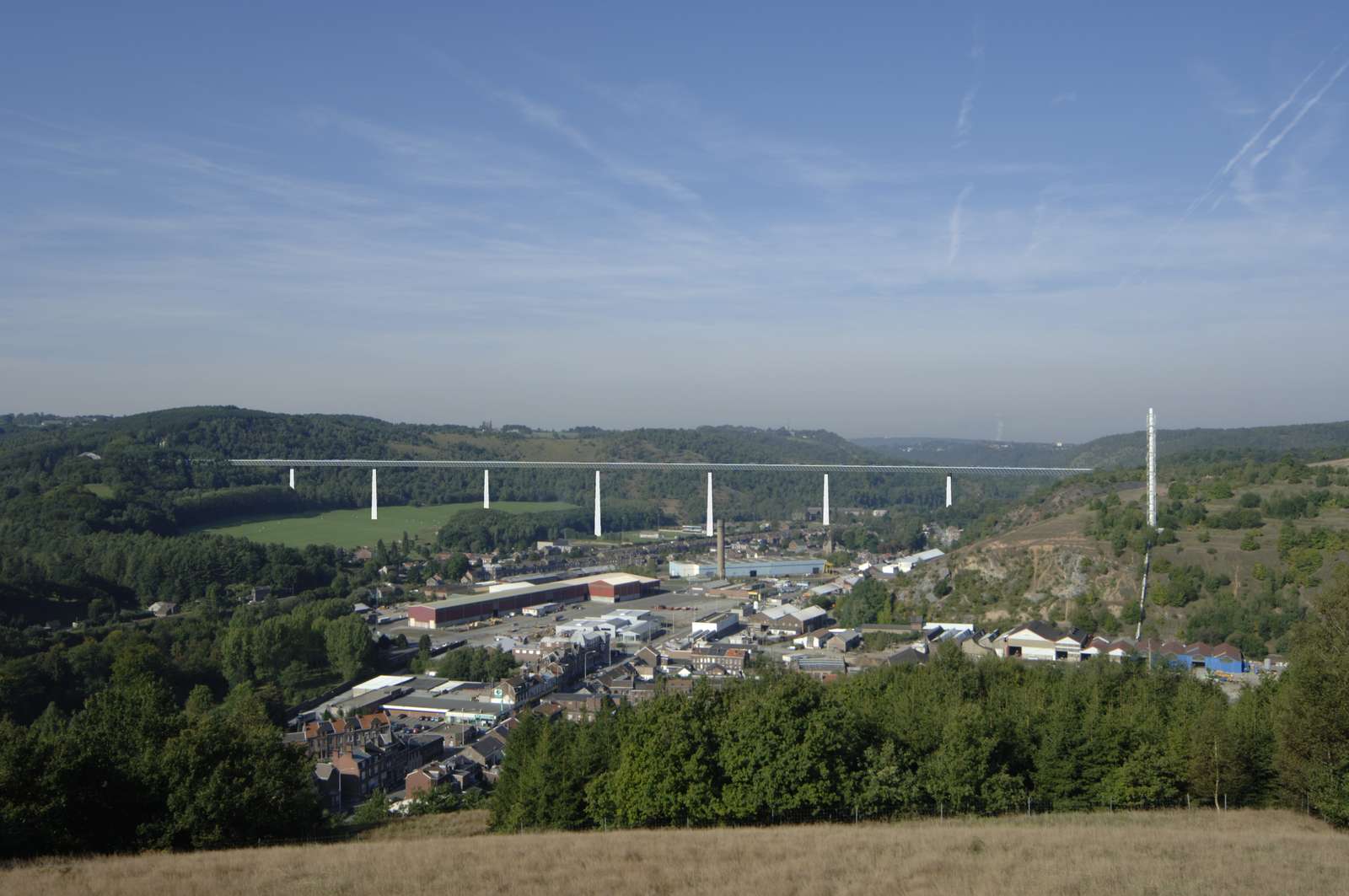
Large bridges

Wind and aeroelasticity study

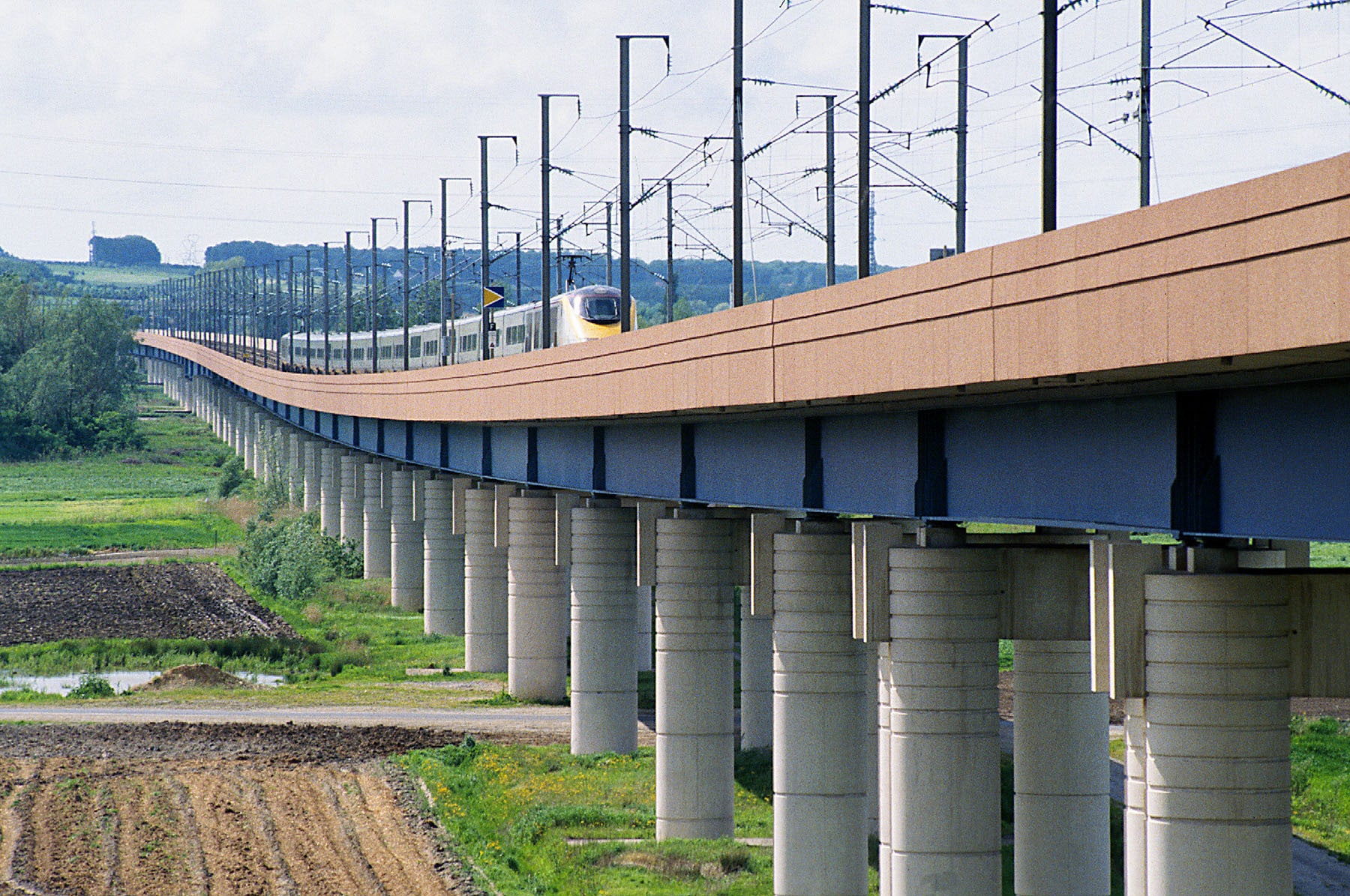
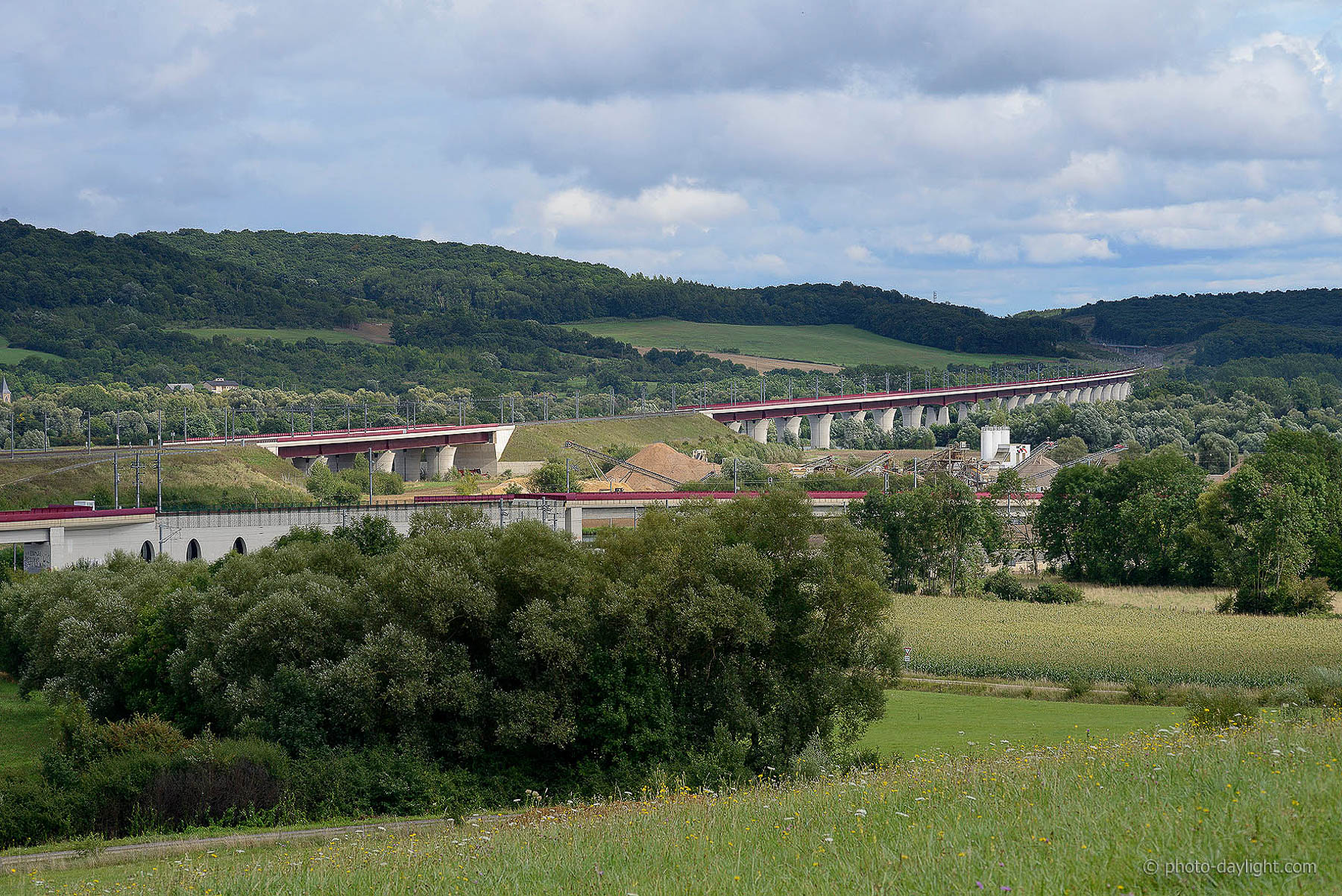
Traffic study for railway bridges

Verification of passage of high-speed trains

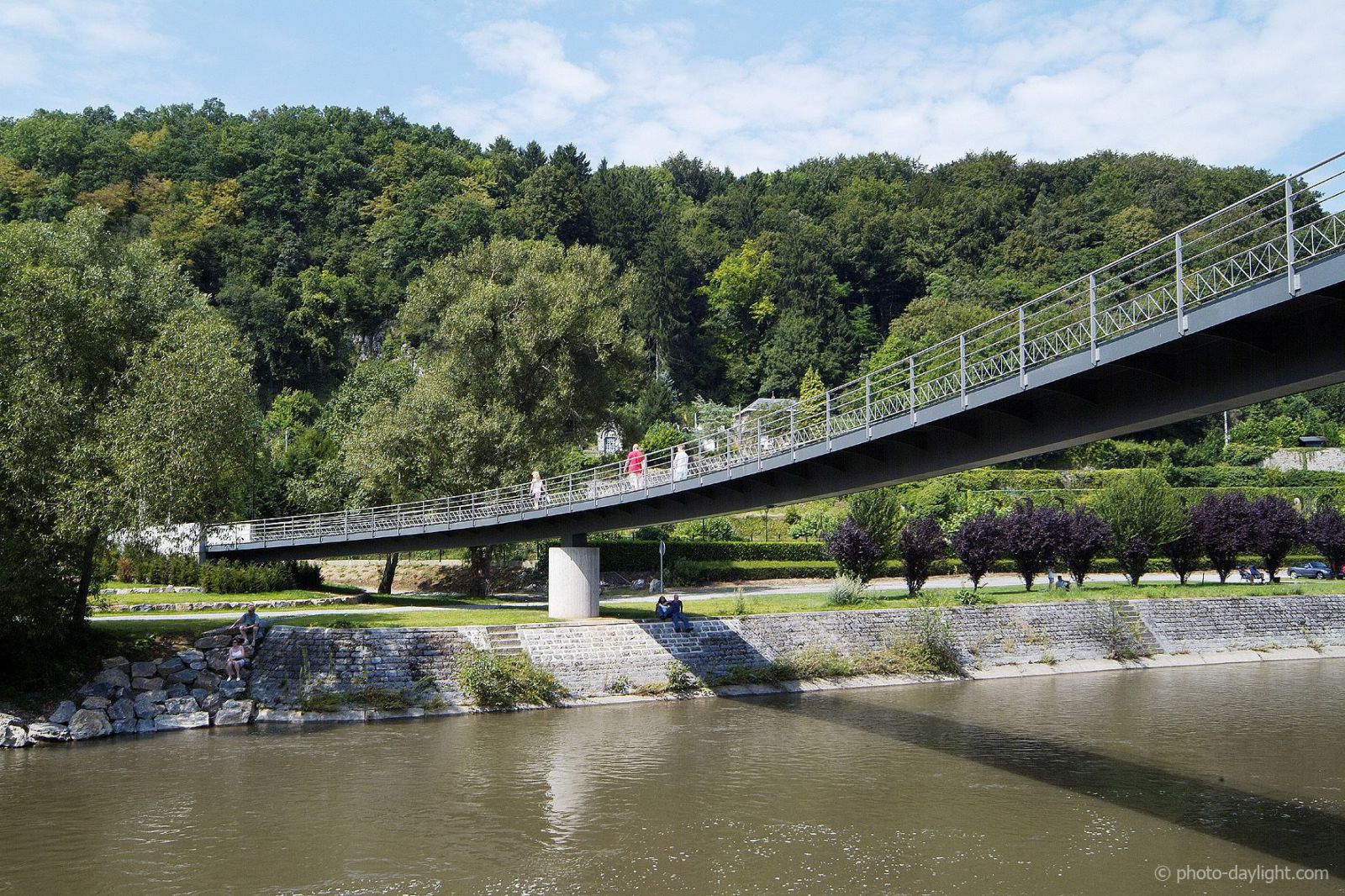
Footbridges

Studies to improve pedestrian comfort by installing dampers

Hoge bouwwerken

Dynamische analyses

High-rise structures

Dynamic studies

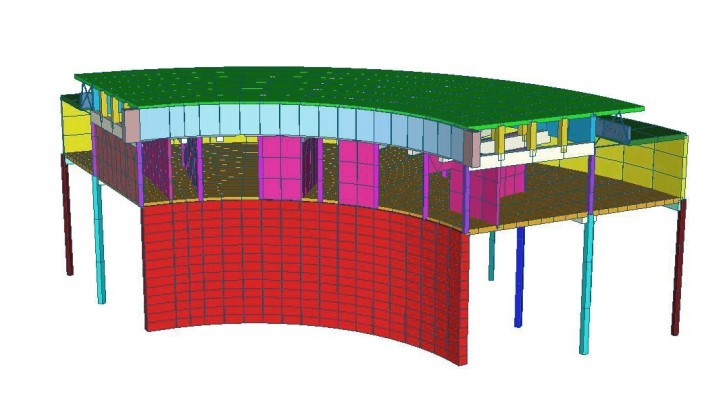
Large roofs

Dynamic studies

Feel free to reach us

Contact us