ZIN in No(o)rd: circular architecture tested by high-rise challenges

ZIN bruxelles greisch 1440 X 480

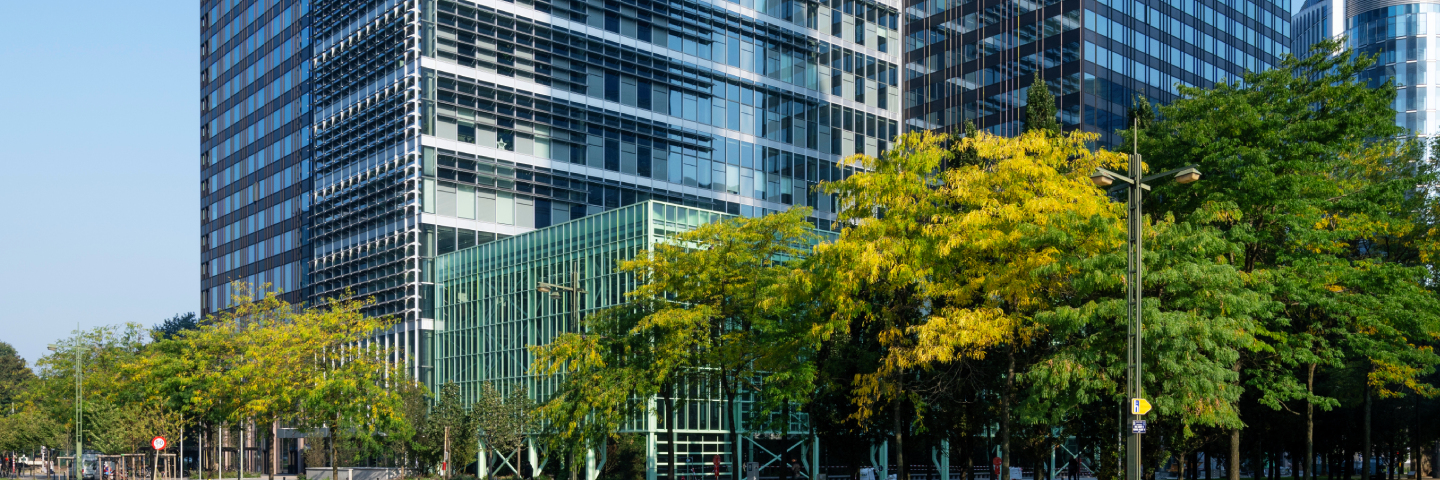
A pioneering project in the heart of the North District

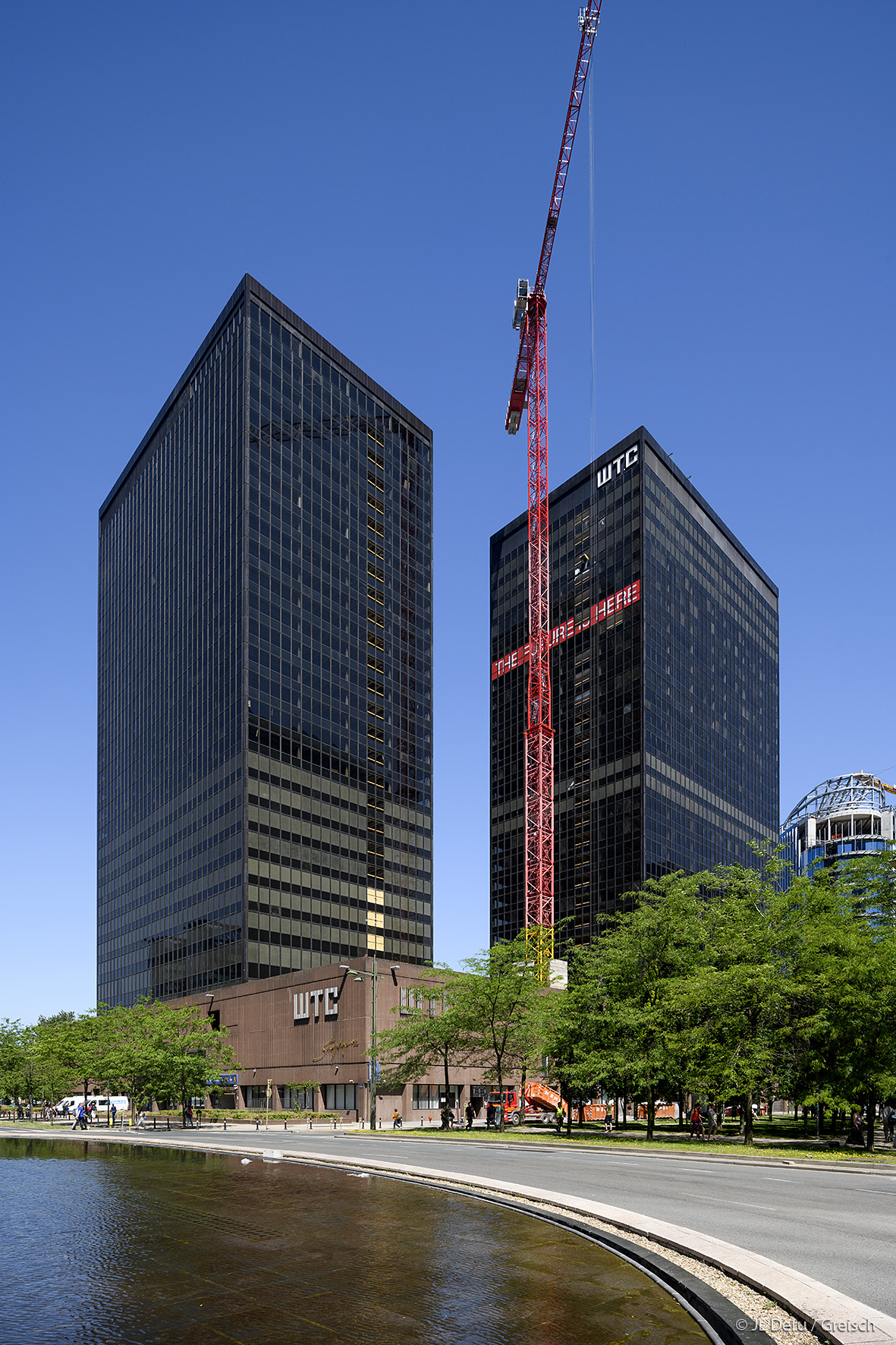
The ZIN project, led by greisch in Brussels, stands as a radical response to the challenges of reusing existing buildings on a large scale. Instead of demolishing the iconic WTC I and II towers, the project team opted for a deep transformation strategy, combining structural performance, usage flexibility, and environmental exemplarity.

ZIN Zebra Concept - greisch

The challenge of functional diversity

A hybrid and adaptable structure

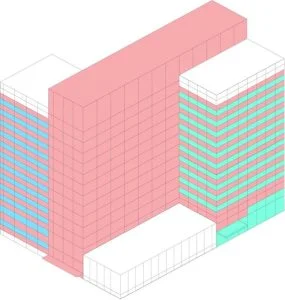
Designed to integrate offices, housing, hotel, retail, sports facilities, and green spaces, ZIN is a multi-purpose building covering more than 110,000 m². At the heart of the project is the “Zebra” concept, intertwining functions on all levels to enable unprecedented flexibility of use.

Capable Volume: a transformative central space

The “Capable Volume”, a double-height structure linking the two towers, bypasses the 3.20 m floor-to-floor constraint. This column-free space spans 15 m and becomes the new nerve centre of the building.
 

ZIN réutilisation structurelle- greisch

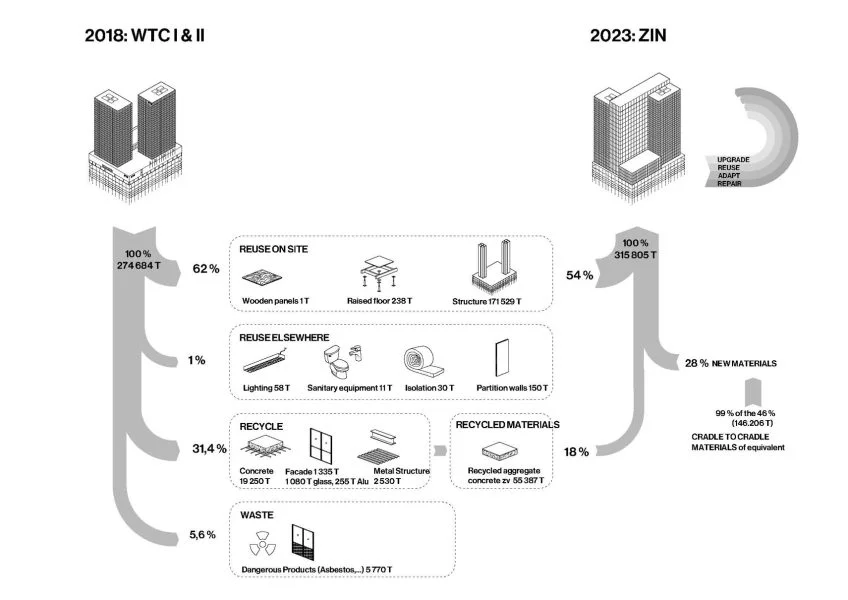
Massive reuse and structural circularity

A detailed assessment of the existing structure

Following the assessment, the teams retained 85% of the structure (cores and basements), amounting to 171,000 tonnes of concrete, while removing slabs that did not meet current standards.

Short-distance recycled concrete supply chain

30,000 tonnes of concrete were crushed and reused in the project. Within a 15 km radius, a local supply chain for recycled aggregates was activated, ensuring the circular reintegration of materials.

ZIN Report Charge - greisch

Structural engineering in support of reuse

Wind resistance optimised through core connection

The addition of the Capable Volume altered wind load effects. Wind tunnel testing and modelling confirmed that linking the cores reduces torsion and optimises load transfer.

Reduced new foundations through load transfer

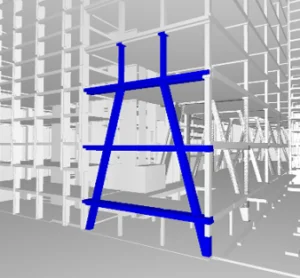
Greisch engineering designed load diversion structures to limit bearing points. This reduced the number of reinforced foundations from 22 to 13, despite loads reaching up to 37,000 kN.

ZIN Forage - greisch

Construction innovations in constrained environments

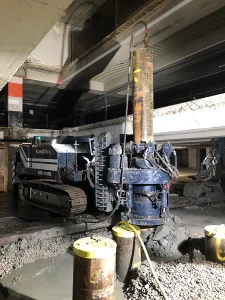
Drilling piles to a depth of 53 m from level -5 required managing high water pressures. A temporary pumping system was installed to prevent infiltration into the basements.

Carbon footprint cut in half

Thanks to extensive reuse, the ZIN project achieves a 50% reduction in embodied carbon for the structure and 33% for the entire building, saving 21,400 tonnes of CO₂.

Conclusion: towards a replicable model

ZIN demonstrates that high-rise towers can be renovated without technical compromise, while meeting contemporary requirements for functionality and environmental impact. It heralds a new way of making the city – frugal, reversible, and collaborative.

Read the full article - IABSE Congress Ghent 2025 (PDF)
logo Council of Vertical Urbanism

Awards

In 2025, the project was awarded “Best Tall Building Worldwide 2025” at the CVU.

More info

Feel free to reach us

Contact us