Fatigue and rehabilitation of the Vilvoorde viaduct: a hybrid approach to extend infrastructure lifespan

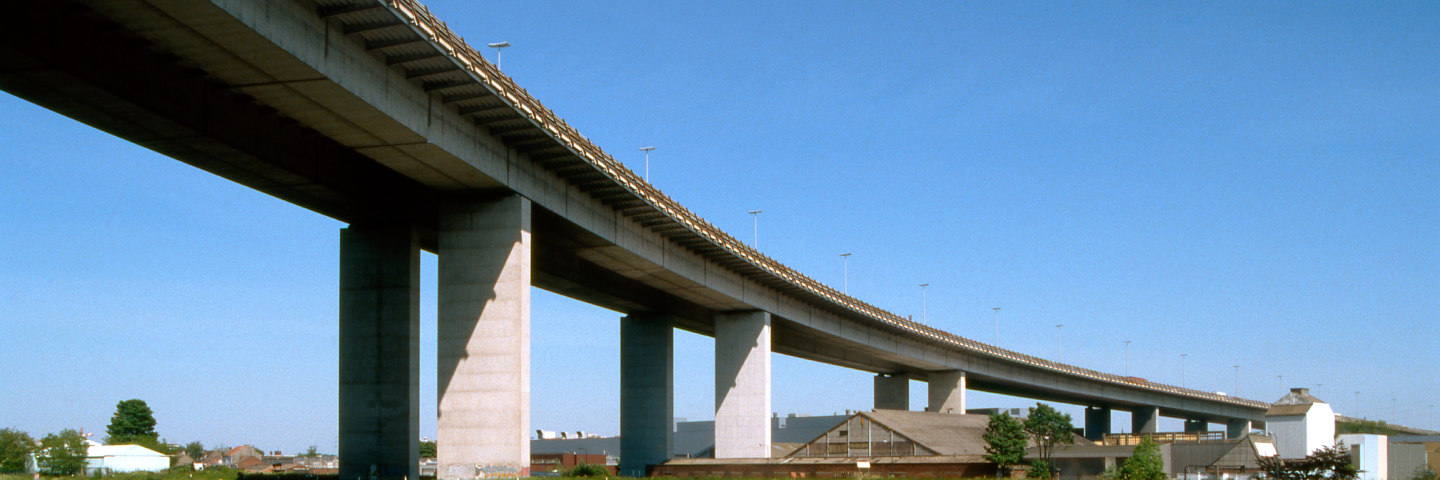
Viaduc Vilvorde fatigue - bureau greisch - 1440 X 480

Towards controlled ageing in engineering

Located on the northern Brussels ring road, the Vilvoorde viaduct has been a key infrastructure since it opened in 1978. With increasing traffic demands, its adaptation has become a strategic priority. Greisch conducted an in-depth fatigue study as part of the renovation, aiming to extend its lifespan until 2078 while accommodating up to four traffic lanes, including two for heavy trucks.

A hybrid calculation strategy: between fatigue and fracture mechanics

Context and technical challenges

The renovation takes place in a complex context:

  • Aged materials that are difficult to characterize
  • Partially (in)visible damage
  • Strong influence of local loads from truck axles → need for detailed traffic modelling without overly conservative design

The chosen approach combines fatigue calculations based on Eurocode S-N curves with fracture mechanics analyses. This makes it possible to account for the structure’s damage history while limiting the number of repairs – a key difference compared to a new structure.

Advanced modelling: from global to local

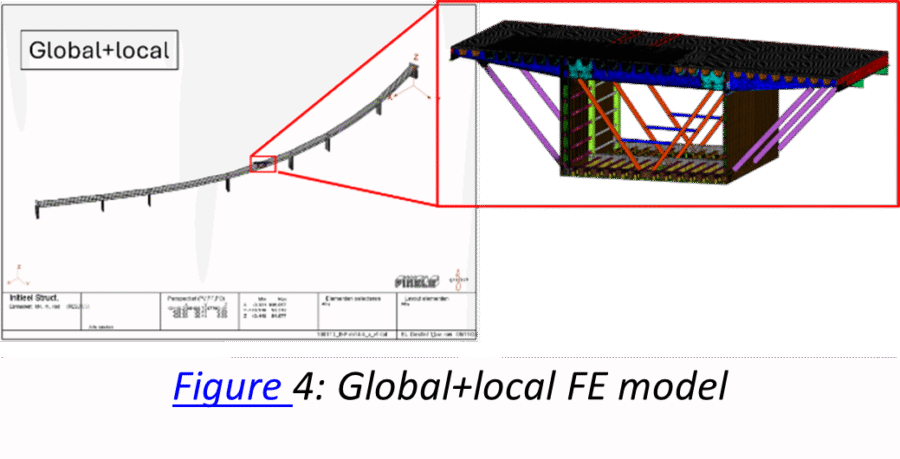
A global beam model coupled with a local shell-solid model of a 16-metre section of the viaduct was developed using in-house FINELG software. This combination enables:

  • Accurate reproduction of longitudinal and transverse stresses
  • Optimisation of fatigue checks via TRAFALI software (reconstruction of 930 scenarios from only 91 finite element simulations)

Accounting for the past and anticipating the future

Cumulative damage over 100 years

The analysis period covers:

  • Past: 1978–2028, split into six periods based on traffic evolution
  • Future: 2028–2078, with scenarios for 3 or 4 lanes

For each critical detail (>4,500 points analysed), cumulative past and future damage is assessed, and if necessary, crack propagation analysis is performed. This aims to:

  • Identify cracks that must be repaired and those that can remain without intervention while ensuring safety
  • Define future inspection intervals based on the type of detail
Targeted strengthening solutions

Interventions to maximise resilience

Greisch implemented several strengthening techniques:

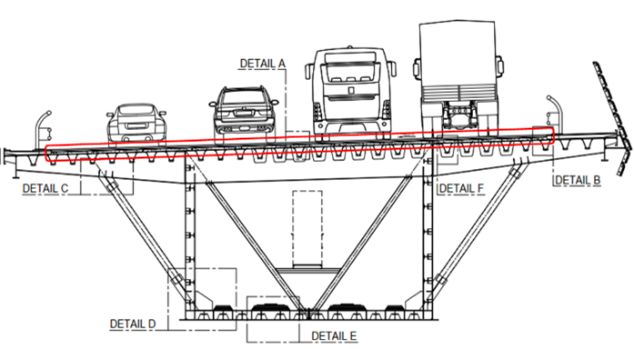
  • 90 mm high-performance concrete (HPC) overlay on the orthotropic deck → increased stiffness, better axle load distribution
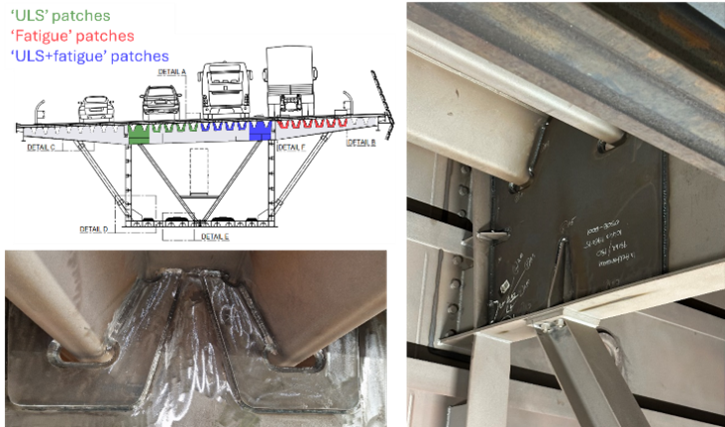
  • Double-skin patches around longitudinal stiffeners
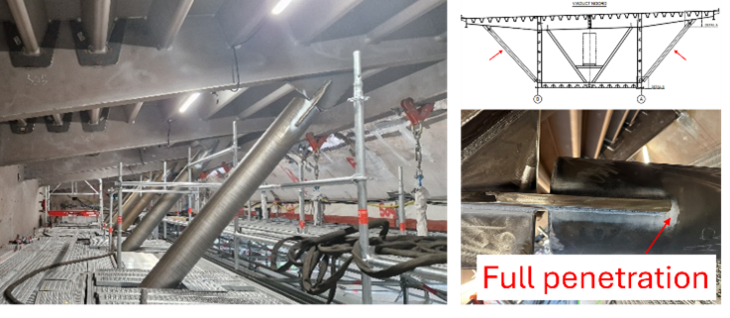
  • Tubular struts to relieve welds of cantilevered orthotropic deck sections
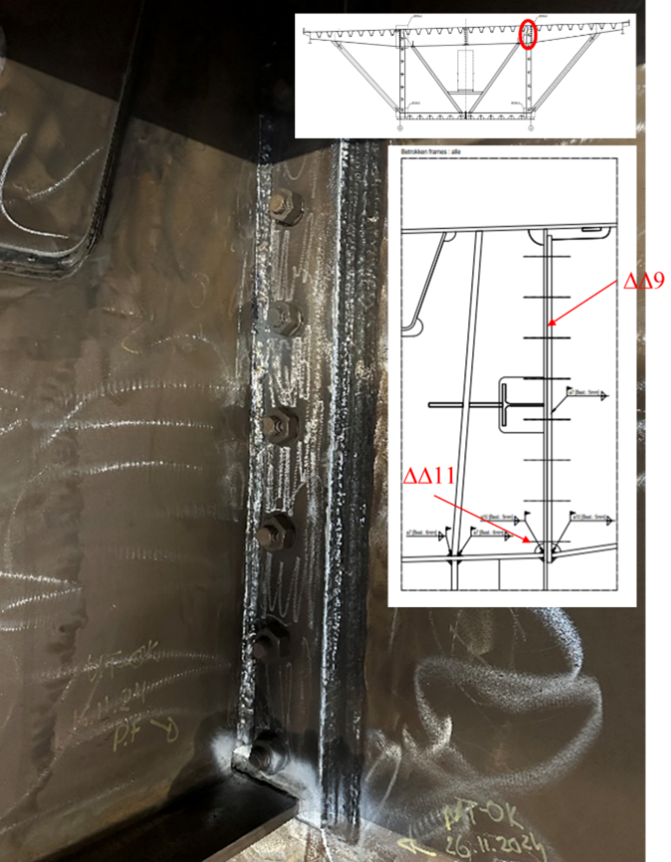
  • Replacement of bolted joints of longitudinal stiffeners with welded solutions
  • Replacement of fillet welds that cannot be root-inspected

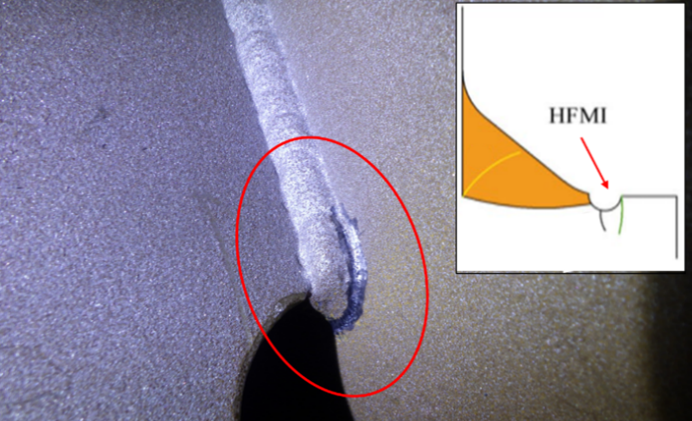
HFMI (High-Frequency Mechanical Impact) treatments to improve fatigue resistance at weld toes

Results: avoiding demolition, extending lifespan

Thanks to this hybrid and targeted approach, demolition of the orthotropic deck and/or box girder was avoided. The viaduct can now safely and sustainably meet long-term traffic demands.


Read the full article in English – IABSE Congress Ghent 2025 (PDF)

Feel free to reach us

Contact us