Rethinking structural engineering with boldness: feedback on the Recypark of Anderlecht

A circular ambition embodied in the structure

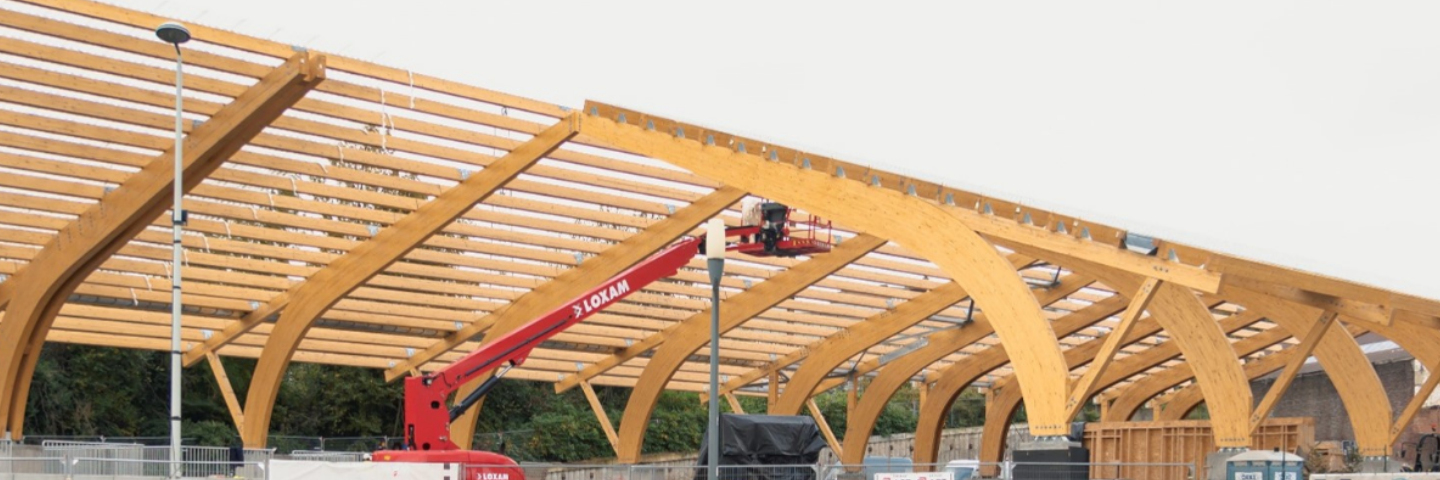
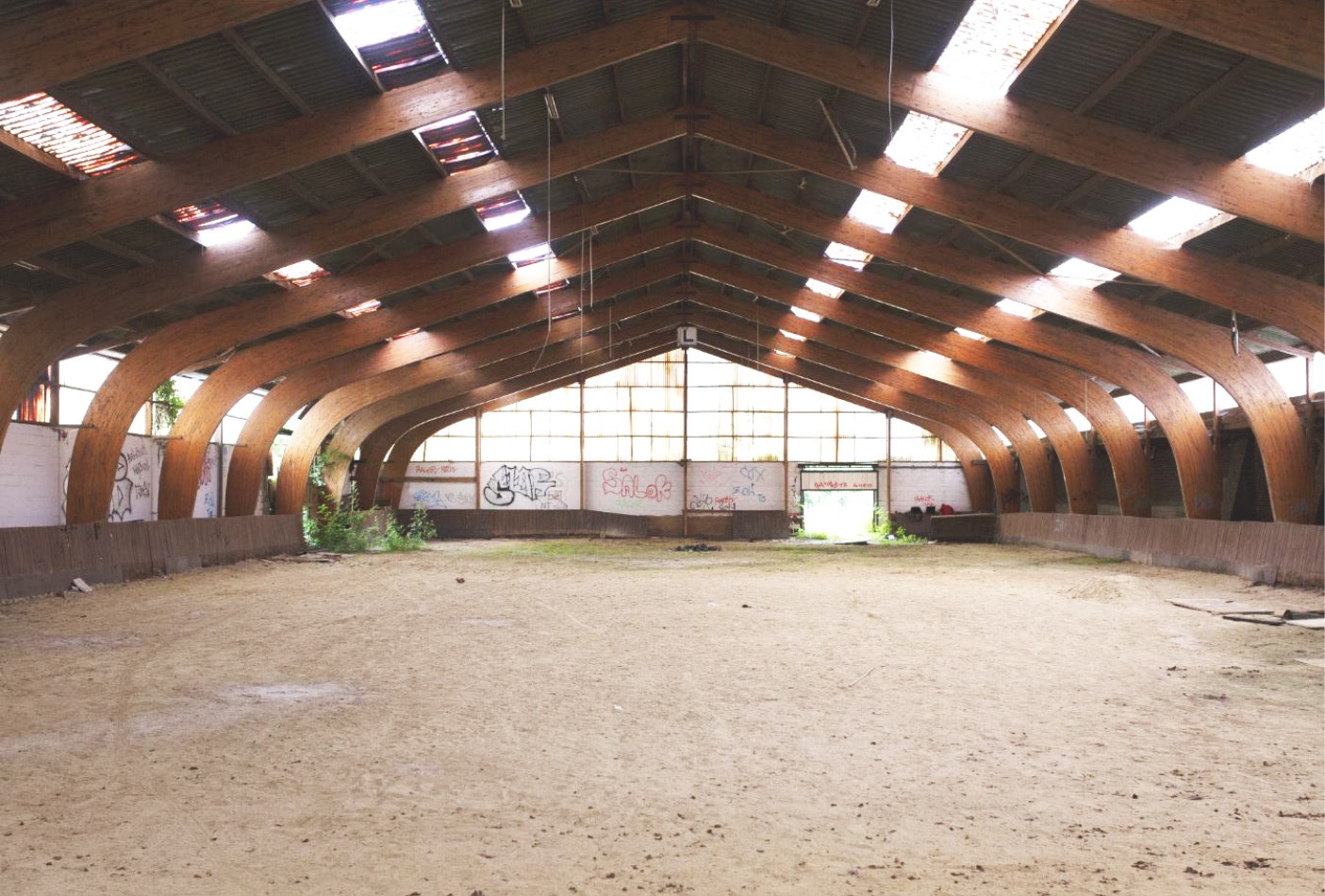
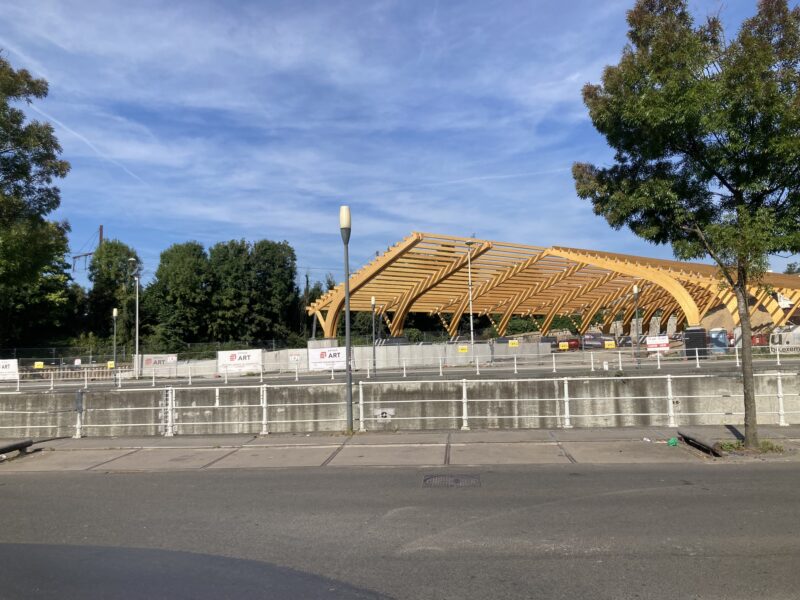
The Recypark project in Anderlecht stands out for a strong commitment: reusing an old glued laminated timber frame from an equestrian arena in Liège to cover a new public facility of over 1,000 m². Far from a symbolic gesture, this choice follows a logic of structural sustainability pushed to the point of extrapolating current standards.

Reuse: between technical constraints and a lever for innovation

An essential contractual basis

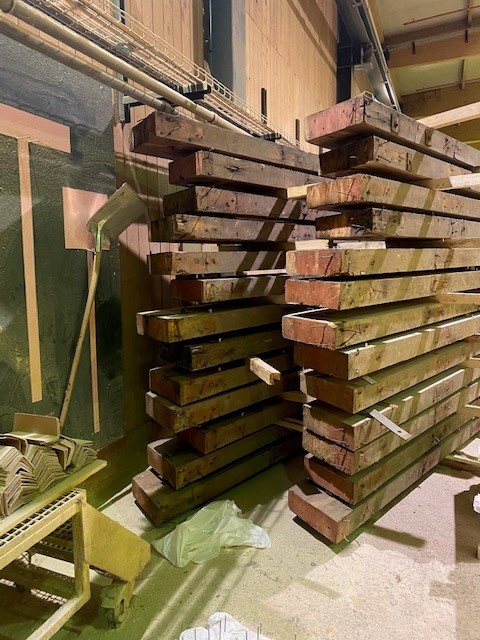
Before any dismantling, a specific agreement was drawn up to clarify the responsibilities of the various stakeholders. This step provided a legal framework for a process still largely undefined by current practices.

Rigorous health and mechanical assessment

Each timber element underwent visual inspections, moisture measurements, destructive tests (bending, shear), and analyses (species, glue, aging). This thoroughly documented approach made it possible to classify the elements according to their suitability for reuse in a structural application.

Recypark Demets greisch 3

Extending the limits of the normative framework: towards a doubled lifespan

An extrapolation of the Eurocodes

Based on Madison curves and Eurocode 5 provisions, a methodology was developed to evaluate the performance of the structure over 100 years, thus achieving a double structural lifespan. The modification factor (kmod) was adjusted to 0.53, enabling a cautious yet realistic verification of long-term effects.

Lessons learned and perspectives

A documented precedent for circular engineering

The entire reuse process was rigorously traced, laying the groundwork for a replicable approach. The experience gained feeds not only into best practices but also questions the relevance of linear normative models when dealing with reused resources.

Towards engineering integrating the concept of damage

The future of high-value structural reuse will likely involve models based on the actual degradation of materials. This project demonstrates that a detailed analysis combining calculations, tests, and expertise already allows anticipating new life cycles

Read the full article in English – IABSE Congress Ghent 2025 (PDF)

Feel free to reach us

Contact us